12 August 2013

9th August

Every day we have breakfast and lunch at the school. We bring our bread, jam, tea and coffee and they boil us water. Usually we buy 1.5 kilo of rice and 1 kilo of beans to feed the 7 of us at lunch, and the school kindly cook it for us.
Today, however, we had been invited to lunch at Madam Mataka's house, the Headmistress. She lives behind the school with her children and husband. Salha is only 3 and is SUPER adorable. Her eldest son is at boarding school in Lindi. Madam Mataka is so lovely and for lunch cooked us pilau, vegetables and beef stew. What they call pilau is similar to the pilau in the UK except they add more spices so it is a brown colour, not the white with occasional brown specs we get at the takeaway, and it's really lovely!
We're going to have to pick the brains of Emanuela and Grace for recipes for mendazi, pilau and chapati to take back to the UK!


The Headmistress and her toddler and I.

Fetching water

7th August.
Today I helped fetch water! The school was donated a water pump in 2010 by a charity/organisiation and it is used by students, staff and surrounding villagers. These buckets fill 10 litres of water, but unlike the kids we can’t carry that on our heads! Unskilled muzungus :( 


11 August 2013

You can't have a library without any BOOKS :D

Our books arrived from the containers in Dar es Salaam on Tuesday 6th, a lot earlier than expected. Unfortunately I was ill that day and so didn't get to help unload the truck into the ICT room with the school children and other volunteers :( But we have so many books! 75 boxes of about 30 books in each. We have 5 boxes of mixed fiction and plays but the majorities are science and maths.


We have to stamp the inside cover of every donated book, as well as sorting them into subject type. As we only had two READ stamps this took a long time; large chunks of Tue – Fri were taken up by 2 people at any time stamping. 

On Friday the group and I sorted all of the books into subjects, stacking all the same books together as best as we could. It’s my job to create a spreadsheet list of every book that is going into the library next week, and I need to do it as quick as possible! Thankfully I have help from my deputy and the rest of the team, although I’m pretty sure week 2 will be a busy one.


Me in full stamping swing.

Stage One! The busy week…

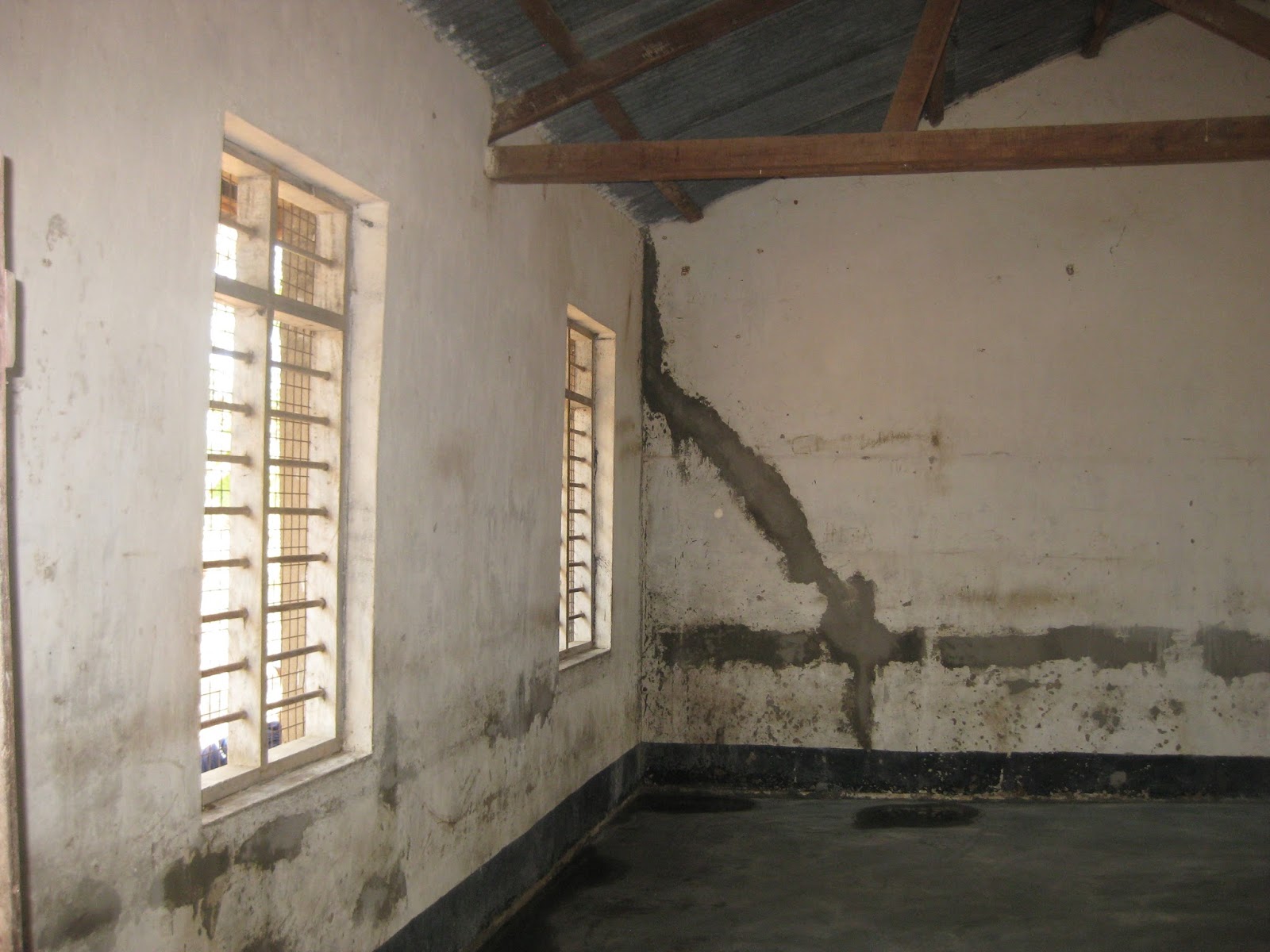
Sunday 4th August saw the start of a very busy week for renovation. The fundi came in, decided we needed a new floor (rather than filling in the deep pot holes) and started smashing up the concrete. On Monday 5th he was clearing out the rubble and preparing the cracks in the wall for filling. By Tuesday he had started laying the cement! This meant we had to start on other aspects like getting quotes for the different materials and carpenters, and starting on stamping the READ logo in the back covers of the donated books.


4/8/13 Fundi removing the concrete top 


5/8/13 Fundi preparing floor for concrete


5/8/13 Crack filling


Concrete done!


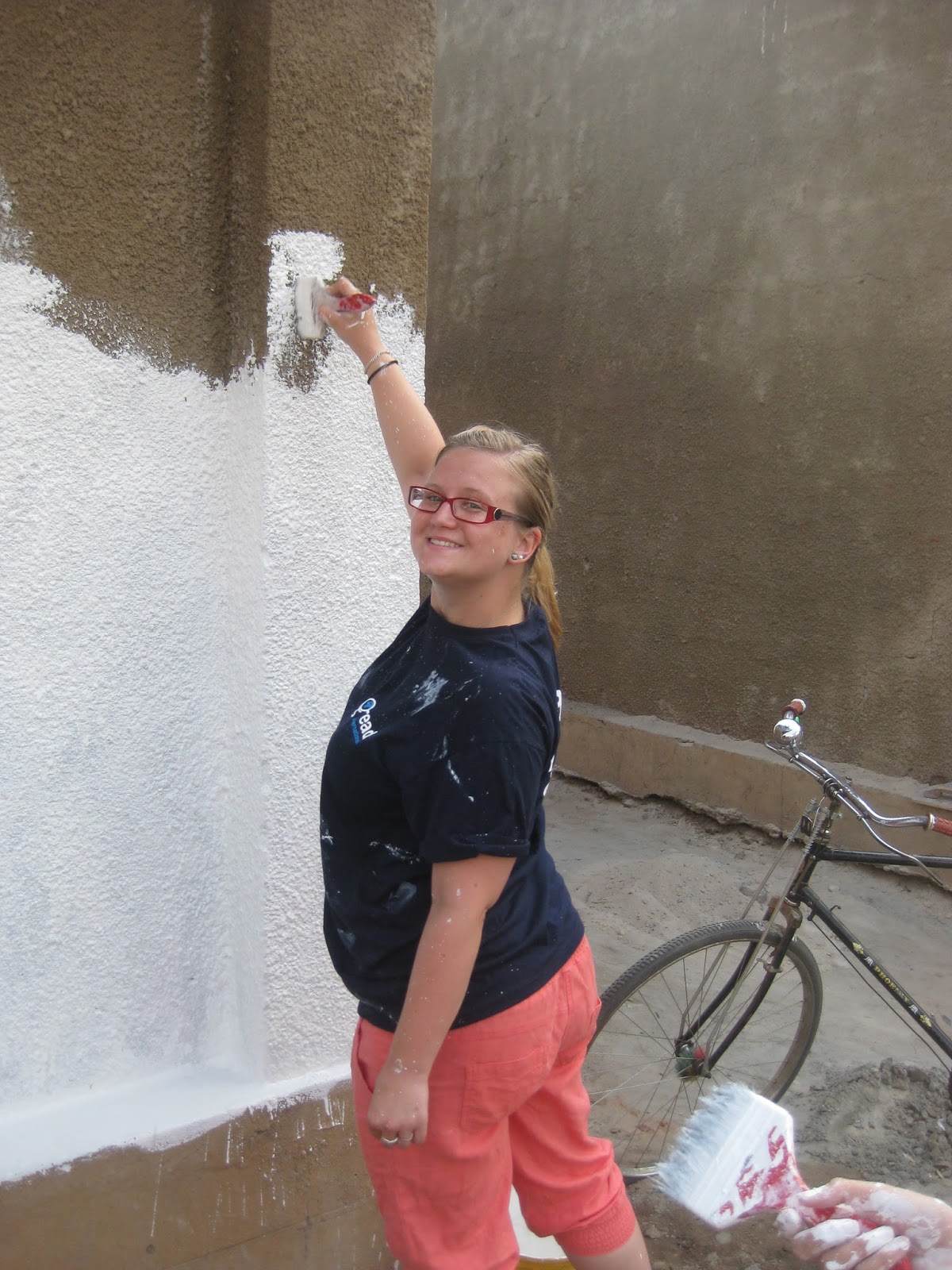
Wednesday called for a big clean of the outside front wall and after lunch we started painting the outside wall white! :D The transformation begins! The donated paint came in a 20lt bag which needed watering down, although the suggested paint to water ratio made the mixture really quite thin. We had to paint the outside wall with two coats, which was difficult as it was a bobbly cement wall. We had the fundi paint some of the top as we couldn’t reach and didn’t have a ladder, and we felt he was better off standing on the tables to get to the top!


 By Friday the inside had been cleaned and the first two coats had gone on. Almost time to add the splashes of READ blue!


10 August 2013

Differences in culture

It’s all very different out in rural Tanzania to the main cities, and even more different to Western culture. Greetings are very formal and must be adhered to properly to avoid sounding rude. For example, you say Hujambo/Mambo/Shikamoo to a person (child/similar age or lower class/elder or important figure) which all roughly mean “hello, how are you?” and have to respond to them accordingly. You follow up Mambo with Poa, Shikamoo with Marahaba and Habari (another “How are you today?) with Nzuri… unless of course you are not fine.

The word for thank you, Ahsante, is used frequently but please is not. Not even amongst the Tanzania volunteers (although this may be the translation from Swahili to English)


Generally here the sun rises at 6.30am and sets at 6.30pm. And unlike in the UK, when it sets it SETS. The sky doesn’t stay a light grey blue for an hour or two after, it drops. It’s literally a dark, inky blue within 15 minutes of the sun going down. You have to plan your time to get home otherwise be prepared with a torch in your bag, or risk walking home down the road in complete darkness. It leaves the sky ready for the stars to come out straight away, which is good for me because I get to gaze at the Southern Cross again :)


The writers of the guide books don’t describe time here as ‘African Time’ for nothing. You have to put your food order into a place at least an hour and a half before you want it, and even then you wait around. People work on the whole “pole pole” (chill/ take your time/ gently) system of doing things, which generally means they take their sweet time. This is something I have had to SERIOUSLY adjust to, for everything. Asking for a spoon may take 15 minutes, asking to meet someone at a specific time means to generally add 2 hours. Everything here is so relaxed that no one seems to have any sense of urgency. This is great, although I worry how we will cope with only 3 weeks to create a whole new library space!

Mtama Secondary School 2

Students cleaning the school
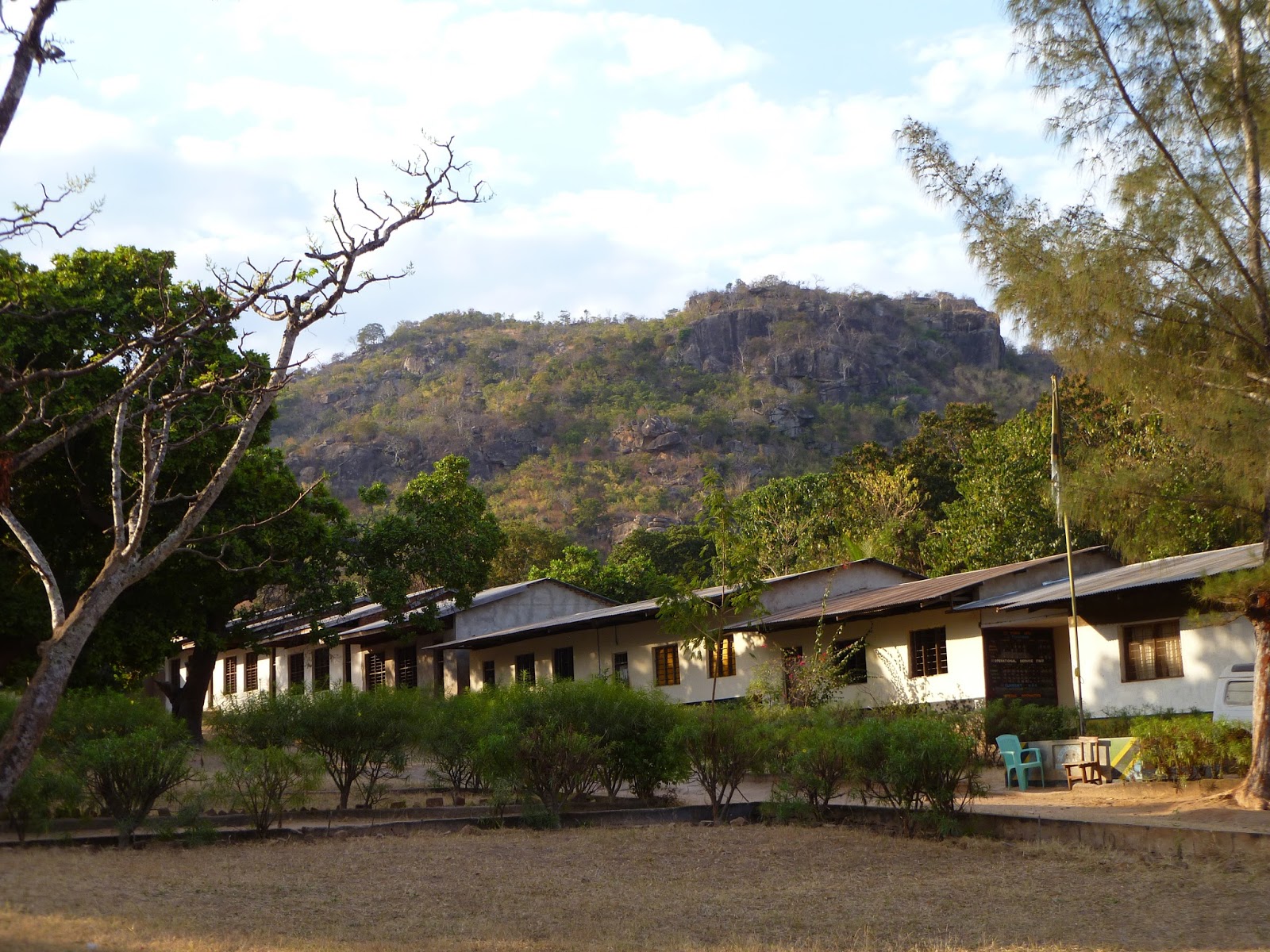
Assembly day! We met at the school at 7am, for assembly to start at 7.20am. This was an experience, as we arrived to the children cleaning the school or collecting water. Then they had to stand in their year groups (forms) and do some military-style marching before singing their national anthem and raising the Tanzanian flag. Then they deposited the wood that they had all bought (donations from the families) in a pile before announcements began. The head mistress addressed the school, and then we went up to speak about READ and the library project. It’s safe to say that they didn’t really understand us, and were very quiet. But they did seem on board to help us with the drawing and poetry competitions.


Every morning they lay out cups and plates for us in the staff room, and boil water for us to have tea and coffee. I’d prefer to buy a kettle and do it myself, rather than waste their wood for boiling us water! Maybe that’s something I’ll have to look into. We also have bread and butter but we are planning on getting some honey, peanut butter and jam to liven things up!


The students lining up for the national anthem and the raising of the flag.


9 August 2013

Masasi 4/8/13

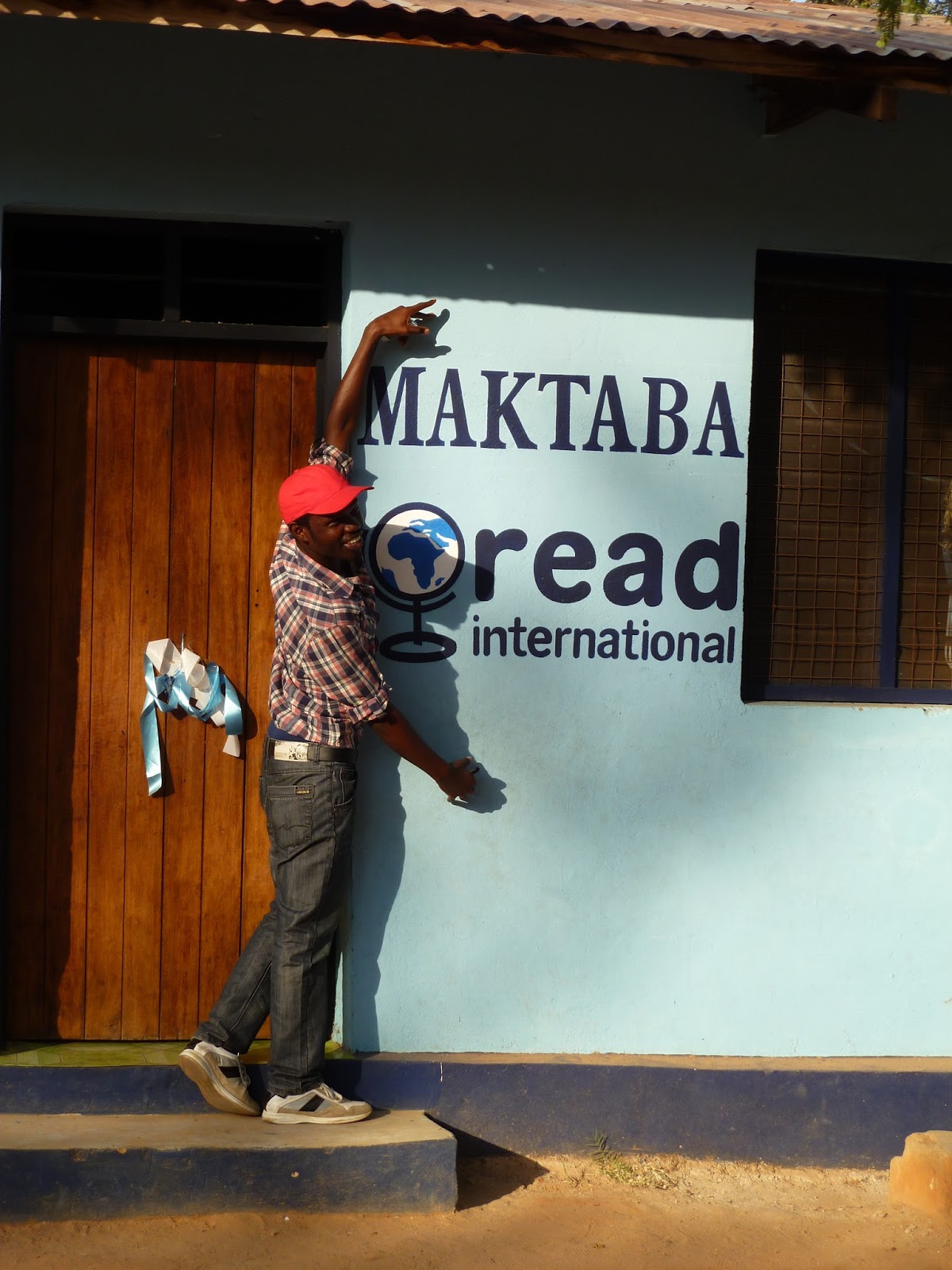
On Sunday 4th August we visited Masasi, a bigger town 90km from Mtama. We needed to meet a Fundi here (Fundi is what they call the workmen/ handymen) who had worked on a previous school project. The previous library project that we saw was really good – they had painted the outside blue and we could just about see through the windows what had been done on the inside. Unfortunately our Project Coordinator Avitus could not get a key for us to go inside. They had used plastic chairs in their library to save money.

We were pretty hungry after the 2 hour dala dala journey so went to a pub to eat. Here I had goat for the first time! It was delicious; I’m not going to lie. We had it with rice and vegetables and it was better than anything in Mtama.

We stocked up on apples, oranges and bought a couple of bananas – I also went a bit crazy and bought 40 rolls of toilet paper for 15,000 shillings (£6) to share with the group. Got my teabags also, and some AfriCafe coffee for Steff. All in all a good days shop. We all secretly wished we had a town like Masasi at the end of the road, as it had so much more in it, but for a 4 hour round trip it’s not something we were going to do all the time!


Avitus at his library in Masasi


The busyness of the dala dala! Eeek. Hectic.